Continental Circus part 7: The 1960sBy now, we have arrived in the second half of the 1960s. The World Championship in the 125cc and 250cc classes was dominated by the factory machines of Honda, Suzuki, and Yamaha. |
The Rhodesian Paddy Driver became 3rd in the World Championship by podium places in the TT of Assen, the GDR GP, and the Ulster and Finnish GP.
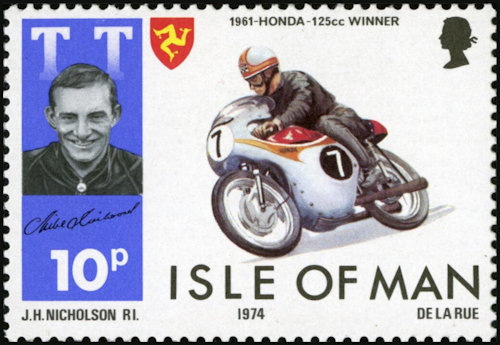
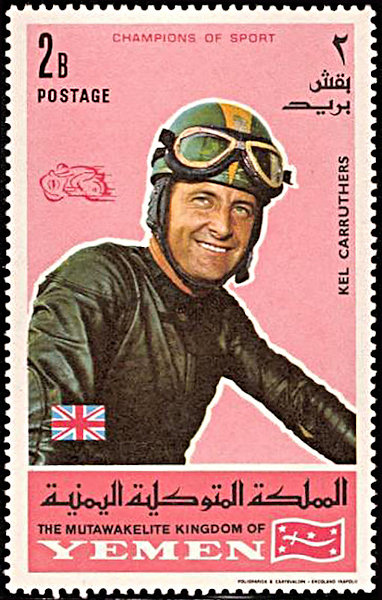
In 1966, the Honda CR93s were in a tight battle with Kel Carruthers. He was riding a Gates Honda, which many believed to be a former factory bike with a 6-speed gearbox.
Furthermore, the arrival of the Bultaco water-cooled TSS brought further success for privateer riders in the 250cc class. Among them were Jack Findlay, who finished first at Mettet and Chimay, and Ginger Molloy, who won the Ulster GP. On 10 July of that year, the top three places on the podium were all taken by Bultaco riders.
Privateer riders still had to rely on races that didn’t count towards the World Championship to earn a bit of money. That’s why there were full starting grids at races such as Tubbergen (NL), Mettet (B), Chimay (B), Zolder (B), Zaragoza (E), Opatija (YU) and Jicin (CZ).
By the end of that year, Jack Findlay was the highest-placed privateer, finishing third in the World Championship thanks to a second-place finish in the East German Grand Prix, third-place finishes in Finland and Italy, and top-six finishes at Assen, Czechoslovakia and Ulster.
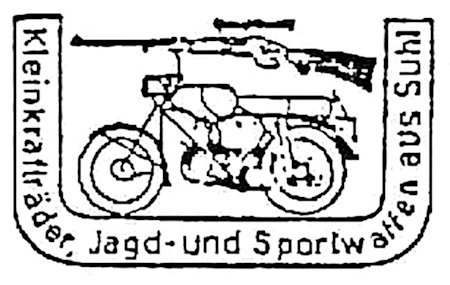
In the former Eastern Bloc, drivers faced additional problems. Not only were border crossings strict and difficult, but the prize money was also paid out in currencies that could not be exchanged in the West. That is why many riders exchanged this money for local goods such as crystal, cameras, binoculars and even weapons. These were, of course, hidden in the vans and later traded in the West.
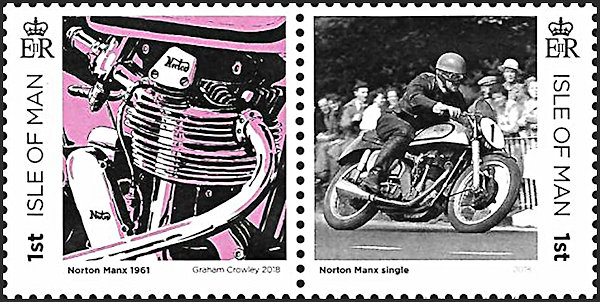
1966 was also the year the Norton Villiers Group collapsed. The entire stock of Norton Manx motorcycles was purchased by Colin Seeley, who had an agreement with AMC to develop new frames for racing motorcycles. This stock from Norton was later sold on to sidecar racer John Tickle, who in turn produced the Manx T5 in a limited edition.
In 1967, the Continental Circus continued to hold the allure of making a living from motor racing. However, the climate had changed somewhat. Costs had risen sharply across the board. The Matchless G50 was the bike you needed to have to succeed as a privateer in the premier class, although there were also a few Nortons that still managed to score the odd success here and there.
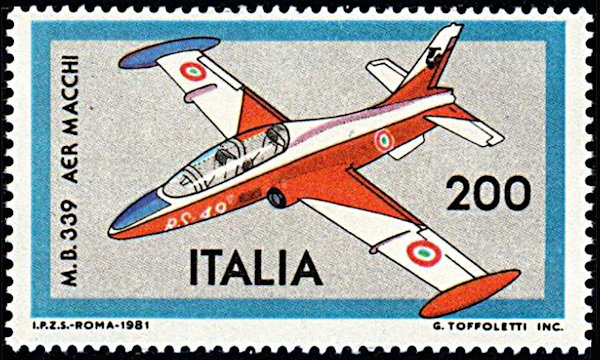
In the 350cc class it was Aermacchi (known for its aircraft manufacturing) that gave the British single-cylinder bikes a run for their money, with factory riders Alberto Pagani and Gilberto Milani.
Derek Woodman and Heinz Rosner’s tuned-up MZ 250 also made that the Nortons and AJS 7Rs remained outside the top six.
The 250cc class still remained dominated by two-stroke bikes, with the water-cooled Bultaco TSS being the favourite among privateers.
The 125cc class was also dominated by two-strokes, with the exception of the privately entered Honda CR93s ridden by Kel Carruthers, Jim Curry and Walter Scheidmaan, who often battled it out to see which of them was the best four-stroke rider.
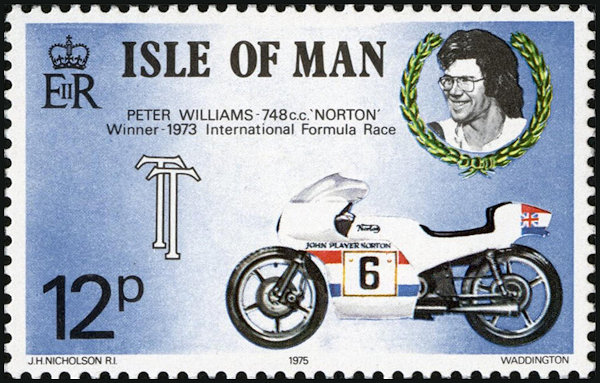
Cees van Dongen also enjoyed some success in the 125cc class that year. He won at Tubbergen, but at Jicin he crashed in the final corner, letting a third-place finish slip through his fingers. That year was, in fact, marked by crashes and injuries. Riders including John Hartle, Peter Williams and Jack Findlay were involved in crashes that cost them a good finish.
To be continued
Hans Baartman