Airplanes, motorcycles, and high expectations
The first experimental Airplane-Motorcycle Courierservice of 1928
By Thomas DeSha
This article has earlier been published in American Philatelist (February 2025), and has been copied here with permission of both American Philatelist and the author Thomas DeSha.
Where the words I or me are used, they refer to the author Thomas DeSha.
For philatelists who are also motorcyclists, there is a significant centennial fast approaching. The event was the first experimental airplane-motorcycle courier service operated by Colonial Air Transport for its Contract Airmail Route 1 (CAM 1) during the spring of 1928.
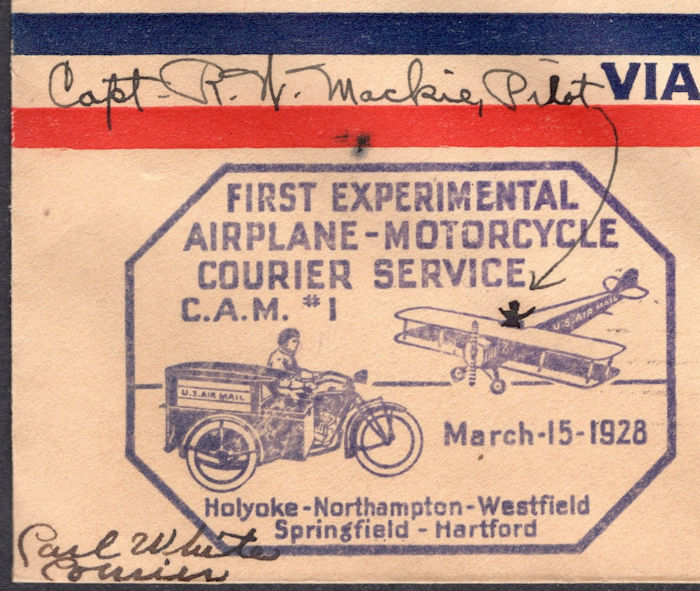
My favorite cover from the inaugural day’s festivities is shown in Figure 1. Autographed by both the motorcycle courier and the airplane pilot, the cover seems to convey the celebratory atmosphere of the event with the pilot’s drawing of a caricature of himself in the cockpit of the plane depicted in the cachet.
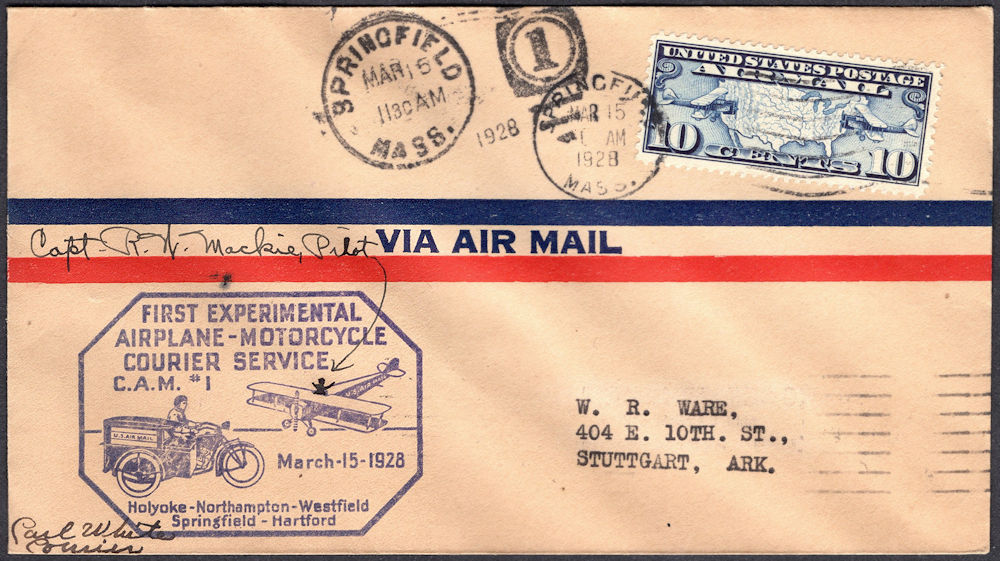
Figure 1. A cover mailed from Springfield, Massachusetts, on the first day of the experimental motorcycle-airmail route.
The cover is signed by Capt. R.W. Mackie, pilot - who included a caricature drawing of himself flying the plane - and motorcycle courier Carl White.
A photograph of the aircraft utilized on CAM 1 flights (figure 2) – the Fokker Universal cabin monoplane – shows the pilot seated in front of the wings, without a canopy, completely exposed to the elements; much like the pilot's caricature drawn on the cover.
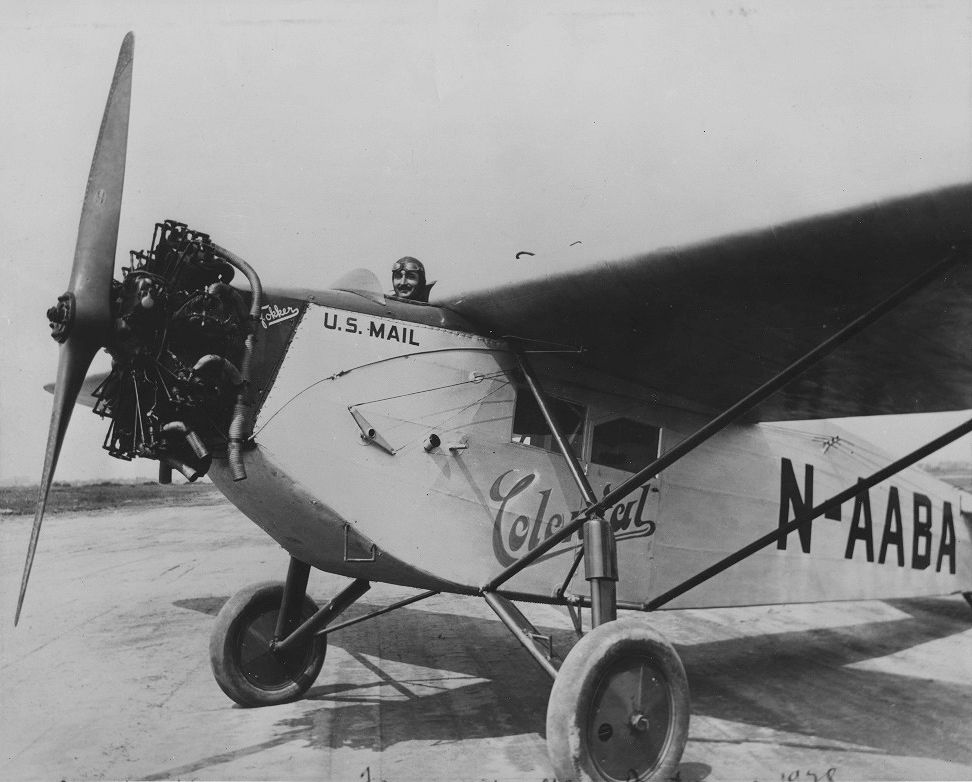
Figure 2. A Fokker Universal monoplane used on Contract Air Mail 1 between Boston and New York City.
The pilot, with head exposed, sat in front of the wings. (Courtesy U.S. Postal Service Historian’s Office.)
Let’s look at a little background information to help understand this event.
The Air Mail Act of 1925, also known as the Kelly Act, was designed to encourage commercial aviation and to authorize the postmaster general to contract for airmail service. Contractors were paid $3.00 per pound of mail for the first 1,000 miles traveled. Contract Air Mail Route 1 was for service between Boston and New York, with a midway stop at Hartford, Connecticut, and was awarded to Colonial Air Transport. Colonial Air began CAM 1 flights on July 1, 1926 and, in 1928, was flying the Fokker monoplane on this route.
The idea for airmail feeder routes from rural areas speedily delivering airmail to CAM terminals, has been ambiguously attributed to “New England officials”, as noted in a 1928 edition in a Springfield, Massachusetts newspaper. Additionally, George H. Carliss, a New England journalist, wrote numerous articles, including in Made in New England magazine, on the advantages to New England businesses of utilizing airmail to service and retain their customers.
Apparently, New England business interests caught the attention of Colonial Air. While Colonial Air had promoted airmail usage with simple labels and slogans in the past (Figure 3), the idea of an airmail feeder route from an industrialized and commercial community near the airmail terminal was a bold next step.
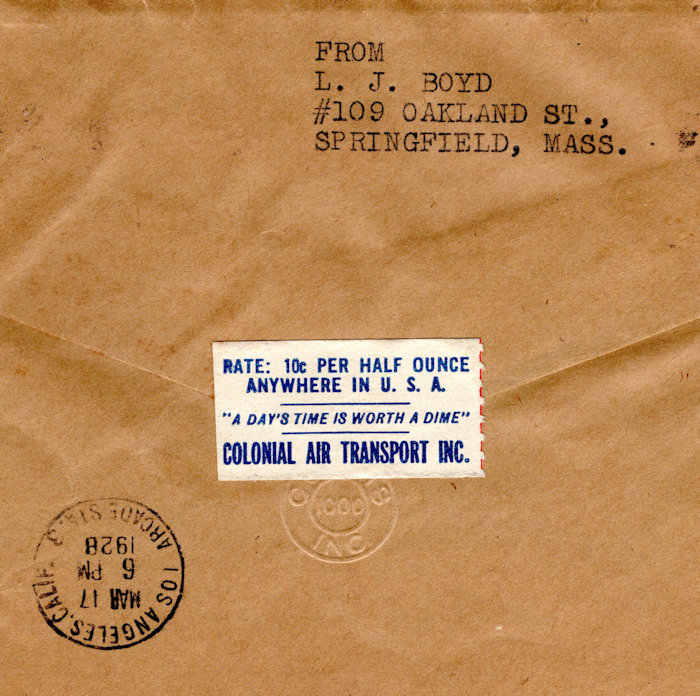
Figure 3, A Colonial Air Transport promotional label on the back of a 1928 cover.
Springfield, Massachusetts, home to such companies as the Indian Motocycle Company and Smith and Wesson Firearms, was just 26 miles from the CAM 1 terminal in Hartford and was the ideal candidate to serve as an airmail feeder route to a CAM terminal. Indian Motocycle (with no ‘r’ in the name) was created as Hendee Manufacturing Co in 1897 and changed the name in 1923.
The cover in Figure 4 graphically promoted this idea of linking "outlying cities and airports" that was being advanced by business interests in New England. The towns of Holyoke, Northampton, Westfield and Springfield were the anchor towns in a industrialized valley in southern Massachusetts and were considered a perfect area to test the idea.
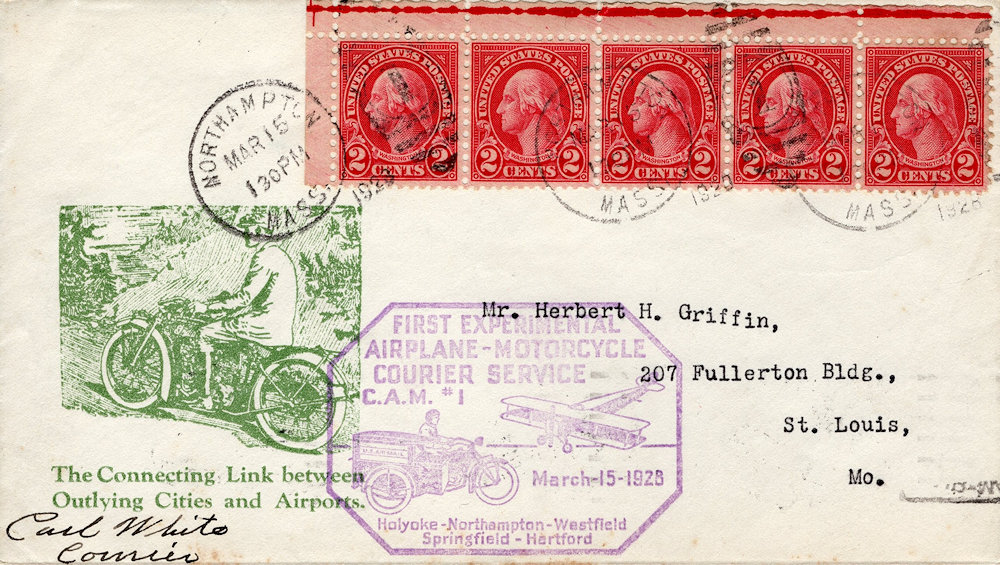
Figure 4. A double-cachet cover offers a nicely printed image of a motorcycle courier on a rural road that promotes the idea of
linking "outlying cities and airports", wich was being advanced by business interests in New England.
John F. O'Ryan – a former Division commander during World War I and now president of Colonial Air Transport – proposed an experimental "feeder line". A truck would pick up airmail at the four towns' post offices and deliver it to Brainard Field in Hartford in time to connect with Colonials CAM 1 planes to New York according to a 1983 article in the Airpost Journal.
Officials quickly determined that a truck would be too expensive to operate for the amount of mail expected to be carried. W.S. Bouton, manager of municipal sales for the Indian Motocycle Company, saw an opportunity. Figure 5 shows a cover of Bouton's signature above his company's logo.
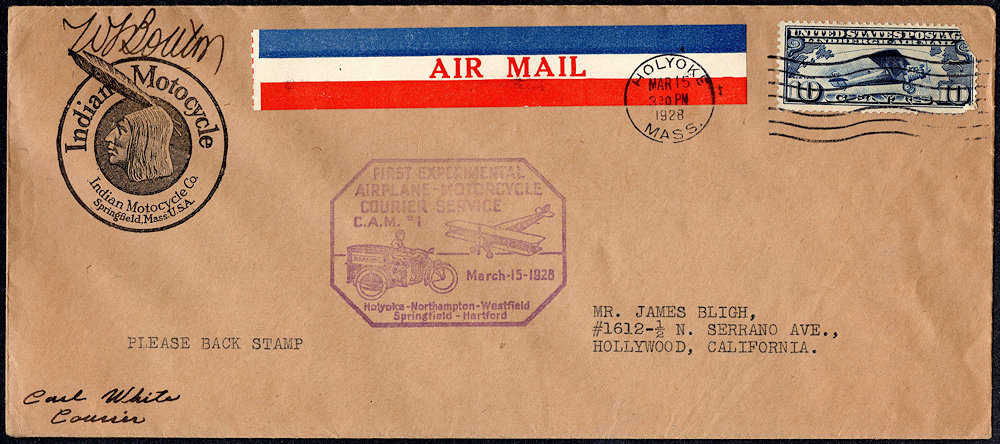
Figure 5. Indian Motocycle executive W.S. Bouton, manager of municipal sales, signed this cover atop the company logo.
Motorcycle courier Carl White sgned at bottom left.
Bouton suggested to O'Ryan that a motorcycle equipped with a sidecar could handle up to 400 pounds of mail at a cost of less than 3 cents per mile. Bouton offered the expertise of his company and in a short order the Indian Motocycle Company built three specialized motorcycles with a sidevan, or sidecar (Figure 6).
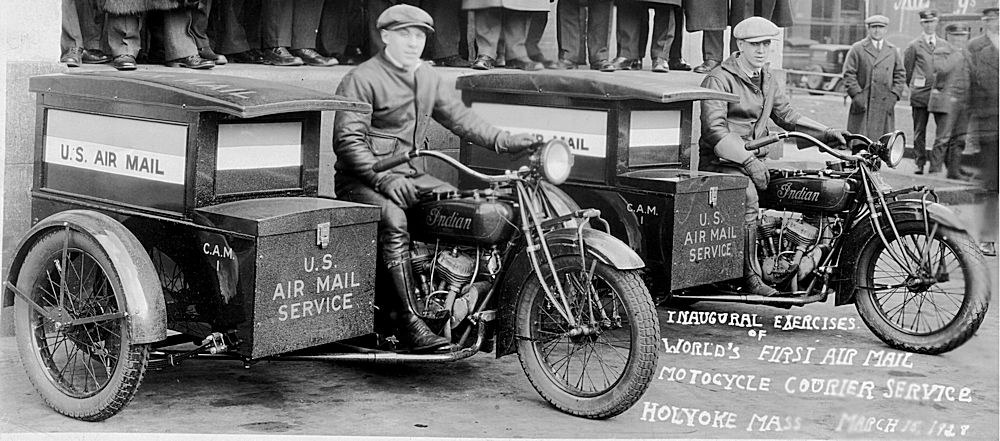
Figure 6. Motorcycle couriers Woodsie Castonguay (left) and Carl White pose while sitting atop their specially
built motorcycles equipped with
sidevans (sidecars) to be used in the "world's first" motorcycle-airmail service
The Indian Motocycle Company issued a news release (Figure 7) identifying these three new motorcycles as an "airmail motorcycle courier" type of vehicle. It optimistically declared that, "if the test proves successful it is quite likely that Indian Motocycles will be in operation throughout U.S. Air Mail Transport terminals".
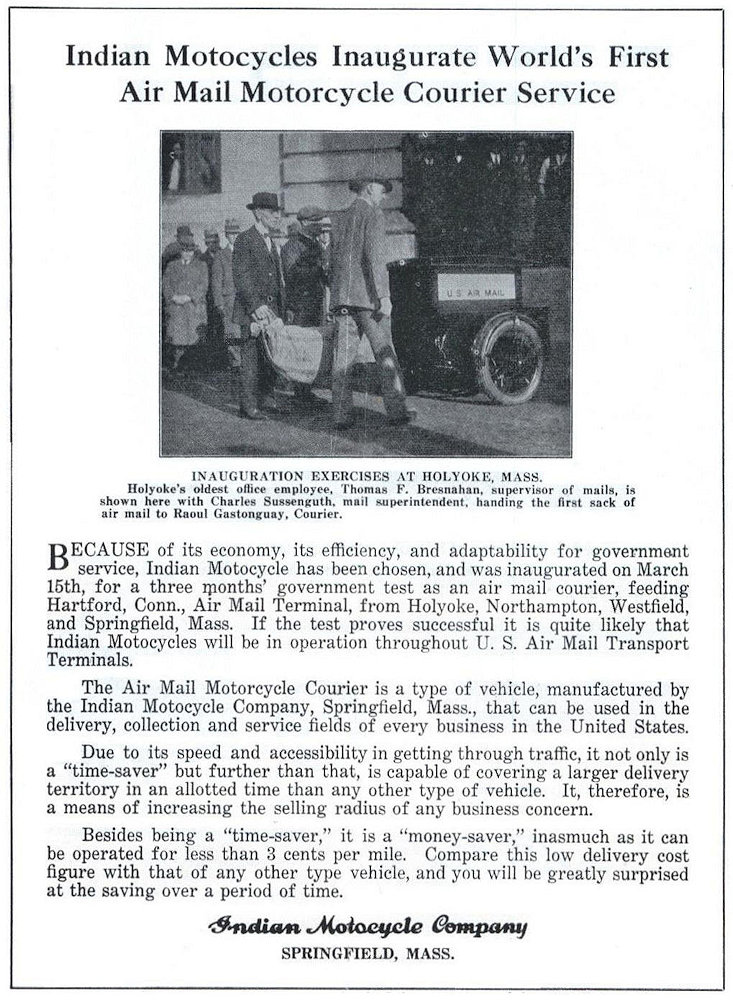
Figure 7. The Indian Motocycle Company hailed the creation of the new "Airmail Motorcycle Courier" service and
"three month's governement test" with a full page promo. (Source: Made in New England Magazine, April 1928.)
On February 21, 1928, Indian Motocycle and Colonial Air performed a trial run of the proposed feeder route. Starting in Holyoke, and stopping at Northampton, Westfield and Springfield. The motorcycle made the 65½‑mile run in 2 hours and 39 minutes. The conditions, that day, were reported as being one of the coldest days of the year with slippery roads and high winds, according to an article in a 1983 Airpost Journal.
This test run was considered successful enough that the Post Office Department authorized a three-months trial, "without expense to the Department".
Schedules for the four post offices involved in the trial were modified to have airmail acceptance cutoff times as late possible. The Westfield Post Office had the most dramatic schedule change, moving its cutoff time from 11:30 a.m. to 5:10 p.m.
On March 1, 1928, B.A. Pollet, Hartford manager of Colonial Air transport, and Bouton, of Indian Motocycle, announced that the proposed motorcycle courier service that would link Holyoke, Northampton, Westfield, and Springfield, Massachusetts, with the Colonial Air Transport planes at Hartford, Connecticut, would begin on March 15, 1928.
Ceremonies were held at the Holyoke post office to inaugurate "the first airmail motorcycle courier service in the world". Mayors and prominent officials of the four cities involved in the trial were present at the ceremony.
A cover (Figure 8) contains the autographs of these four mayors as well as Colonial Air pilot Capt. Richard W. Mackie and the two motorcycle couriers. Carl White was chosen to make the inaugural run and his signature appears on many first day of service covers. This is the only cover I have seen that has the signature of Raoul Castonguay, the second motorcycle courier.
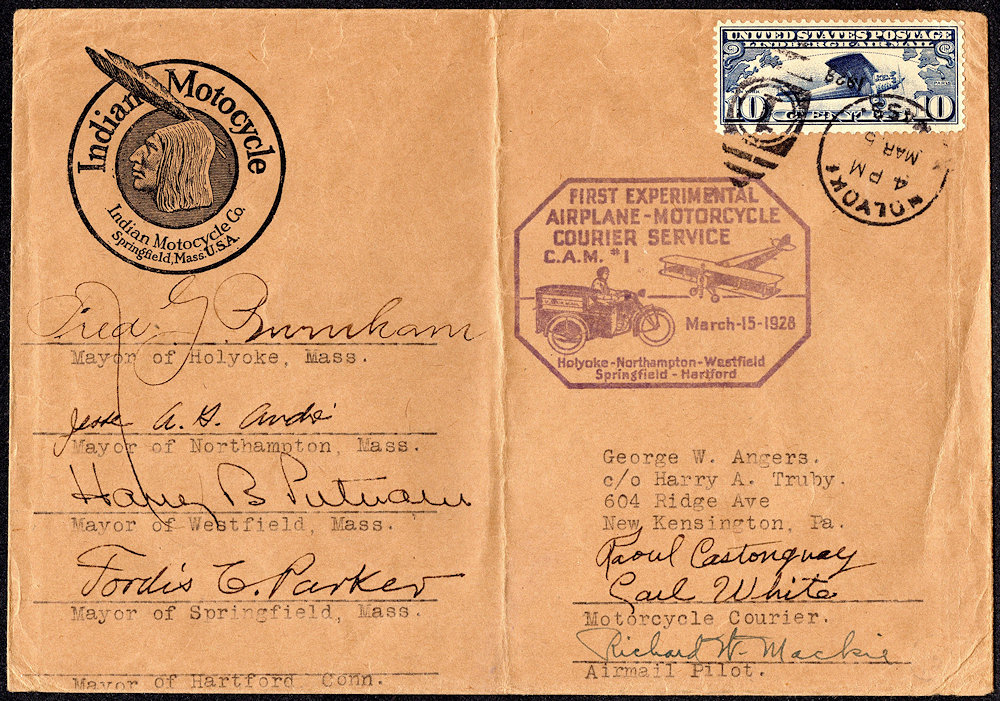
Figure 8. A special cover from the inaugural day of service includes the autographs
of four mayors, the airplane pilot and two motorcycle couriers.
The inaugural festivities included Mayor Fred G. Burnham, of Holyoke, handing the first airmail letter to motorcycle courier White (Figure 9). Additionally, it was planned that the four mayors, city officials, postmasters, and officers of the Chambers of Commerce, would form an automobile entourage that would follow the motorcycle courier and escort it to its stops at Northampton, Westfield, and Springfield.
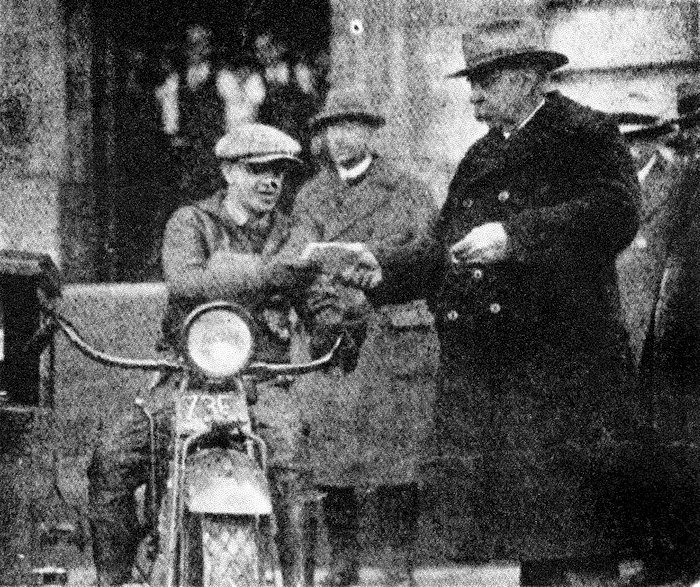
Figure 9. Mayor Fred G. Burnham, of Holyoke, Massachusetts hands the first airmail letter to
motorcycle courier Carl White.
(Source: Made in New England Magazine, april 1928.)
Local newspapers even published White's biography. The Springfield Sunday Union and Republican noted that the courier "had considerable experience in motorcycling operation, having driven more than 50.000 miles in the last three years. He is a motorcycle hill climber of ability and has qualified in the amateur rating of the sport. White is also an experienced mechanic and will be able to cope with possible minor breakdowns on the road should such occur. He is a member of the Greater Springfield Motorcycle Club."
Cachets applied to the first-day-of-service covers were supplied by the Indian Motocycle Company (Figure 10).
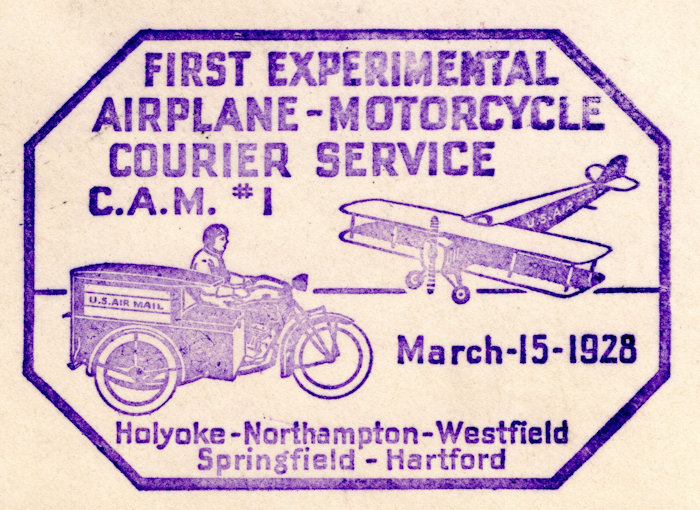
Figure 10. The special first day of service cachet from the Indian Motocycle Company
used by the cities involved in the experimental service.
Postmasters at Westfield (Figure 11) and Northampton (Figure 12) also applied their own post-office-specific cachets. The Northampton cachet, because of its vertical orientation and large size, was typically applied to the back of the envelopes. Consequently, many Northampton cachets are overstruck with receiving marks.
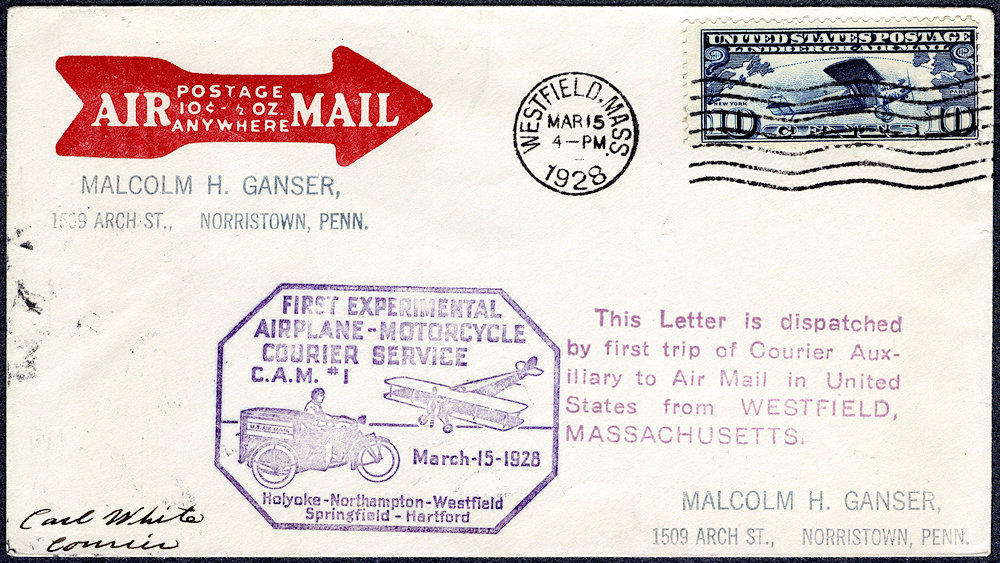
Figure 11. A first day of service commemorative cover from Westfield, Massachusetts, bearing a cachet produced by the Westfield postmaster.
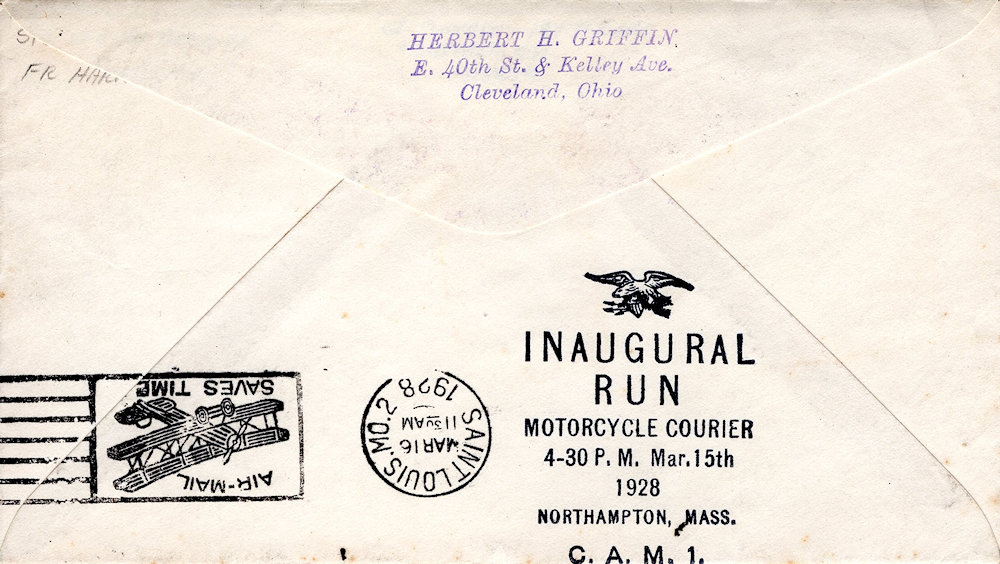
Figure 12. A first day of service commemorative cover from Northampton, Massachusetts.
The large size of the cachet prompted it to be applied on the backs of covers.
The amount of mail dispatched on the first day of service was 2,119 pieces from Holyoke, 2,764 pieces from Northampton, 2,696 from Westfield and 5,001 pieces from Springfield. The route taken is shown on the map in Figure 13. This map is reproduced from an article by Dr. Perham C. Nahl in the Airpost Journal issue of July 1983.
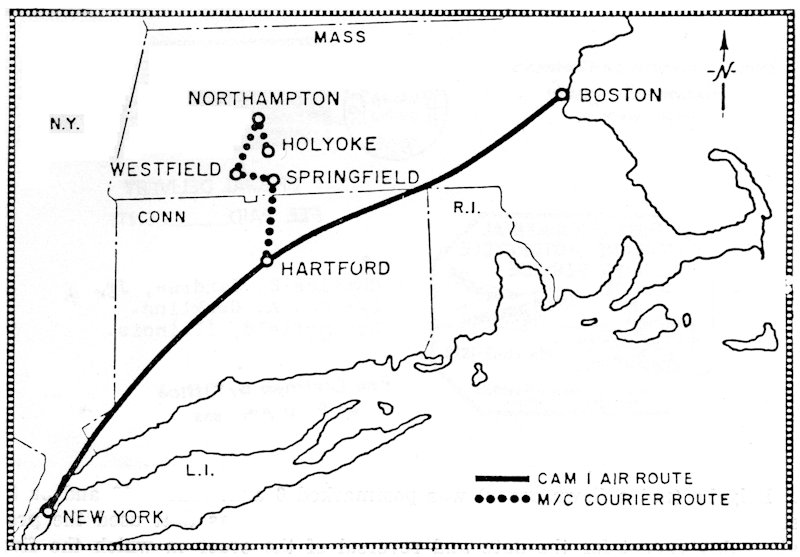
Figure 13. A map shows the CAM 1 air route and includes the route of the motorcycle couriers leading to Hartford.
Indian Motocycle also prepared a cachet for the second day of service for the incoming airmail covers to be carried by the courier service, which would be delivered to the four trial cities the morning of March 16 (Figure 14).
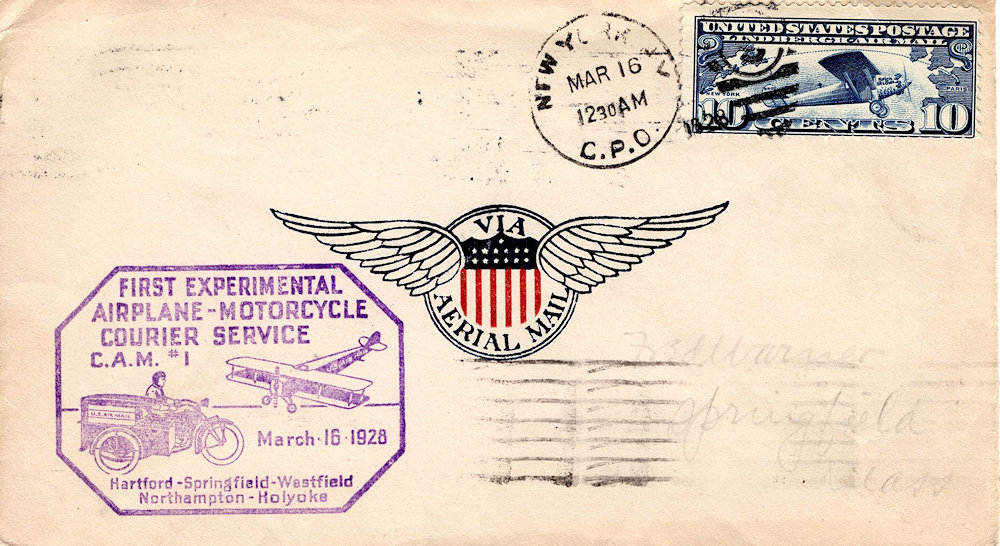
Figure 14. A second day of service cover prepared by Indian Motocycle for use on the first delivery of inbound mail.
The incoming airmail cachet is the same as the outgoing airmail cachet except for the date and the trial cities are listed in reverse order. The amount of incoming airmail carried on March 16, was just 4½ pounds. Considering seven philatelic covers (with no contents) per ounce, 4½ pounds would be approximately 500 pieces of mail. Consequently, March 16 incoming airmail covers are elusive.
One noteworthy incoming airmail cover from March 16 is shown in Figure 15. It was mailed by esteemed philatelic scholar Dr. Carroll Chase (1878-1960), recipient of a Luff Award and Crawford Medal. The cover, unfortunately, has the incoming airmail cachet applied to the back of the envelope. However, Chase did type "& Motorcycle Courier from Hartford" on the front of the cover.
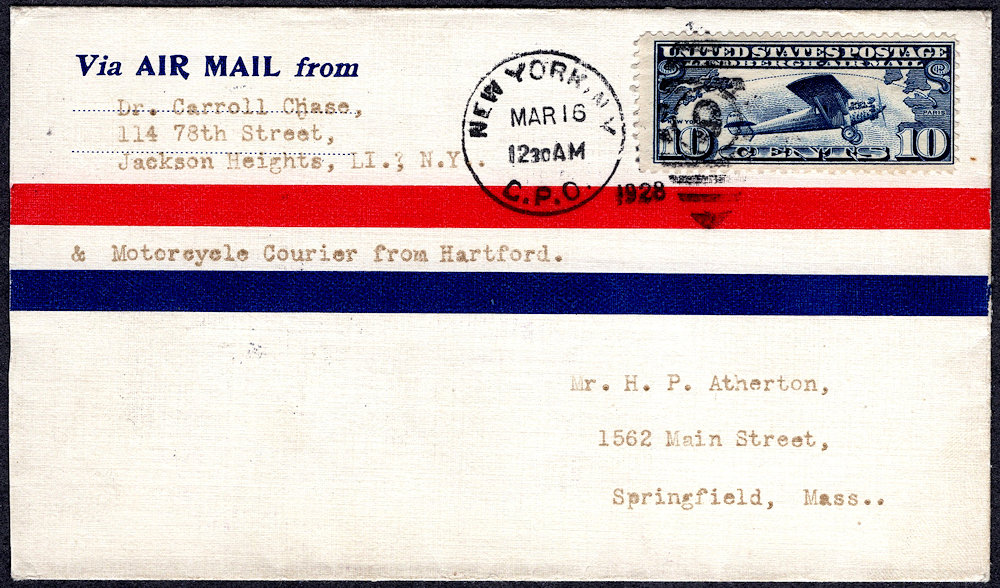
Figure 15. An airmail cover from Dr. Caroll Chase that used the motorcycle-airmail service.
Shortly after the start of the courier service, Indian Motocycle and the various Chambers of Commerce produced a program called Air Mail Courier Service Week. It was an educational an awareness building program designed "to show the public the advantage and methods of operation of the airmail service and the motorcycle courier feeder system", according to the 1983 article in the Airpost Journal.
During Air Mail Courier Service Week, local "newspapers contained information on the service and pamphlets (Figure 16) explaining routes and time saved were sent through the mails to business houses and individuals. Examples of fast delivery of letters to distant points and letters of commendation from officials of large companies were included in the program", the Airpost Journal noted.
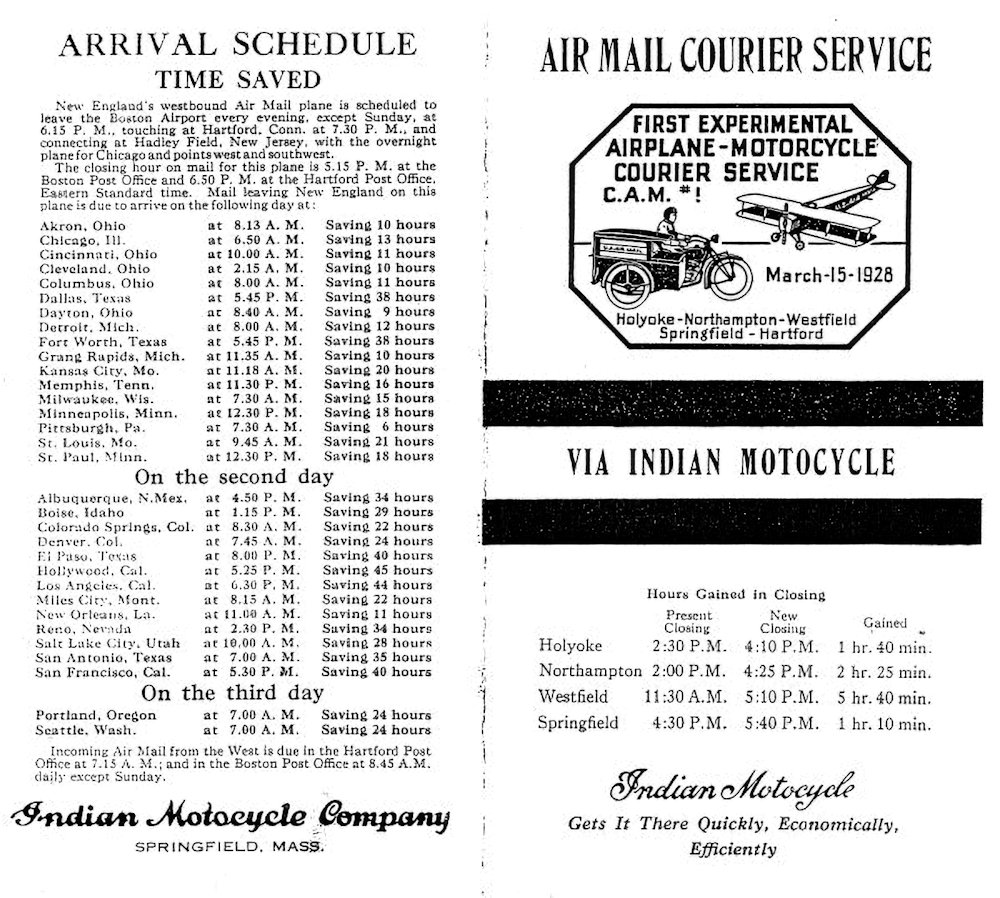
Figure 16. Details of the experimental service were explained in a pamphlet during 1928 Airmail Courier Service Week.
(Courtesy of the Lyman and Merry Wood Museum of Springfield History.)
The arrival schedules in the pamphlet proved to be accurate. The cover in Figure 5, addressed to Hollywood, California, and postmarked from Holyoke at 3:30 p.m. on March 15, 1928, is backstamped Los Angeles, at 6:00 p.m. on March 17 (Figure 3), evidencing the successful two-day transcontinental crossing. Another cover (Figure 17) addressed to Springfield, Illinois, and postmarked from Northampton at 1 p.m. on March 15, is backstamped 5 p.m. March 16 in Chicago, proving the successful overnight delivery.
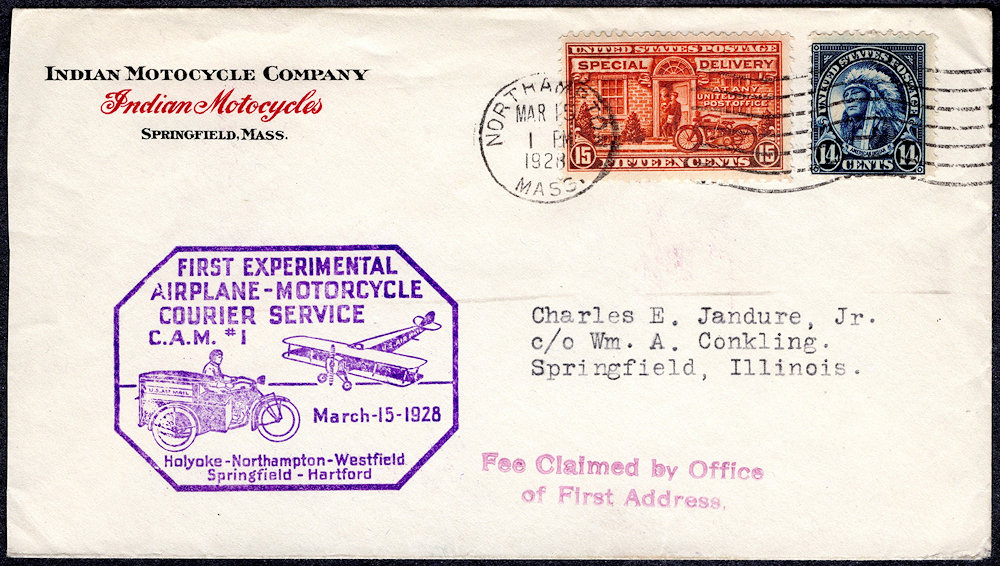
Figure 17. A cover sent from Northampton, Massachusetts, on March 15 arrived in Chicago 28 hours later.
For the most part, airmail covers carried by the courier service after the first day of service can only be identified by their cities of origin or destination and the postmark bearing a date within the 90-day trial period (Figure 18).
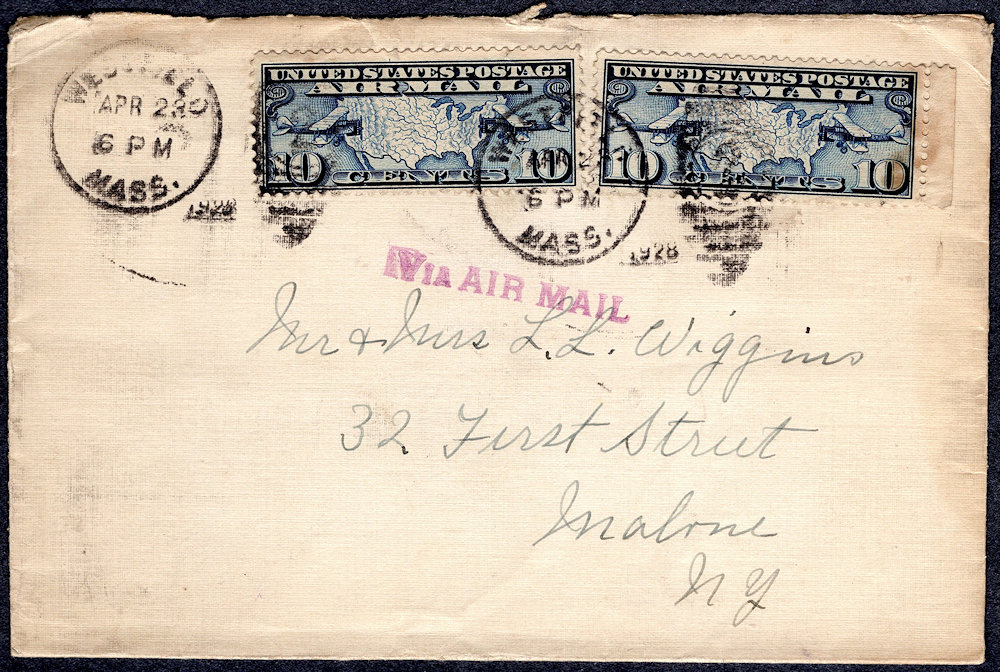
Figure 18. This cover was sent five weeks after the start of the service from Northampton, Massachusetts,
to Malone, New York,
about 300 miles to the northwest.
However, there was one entity, mysteriously identified as "R", who marked its mail "Via Motorcycle-Airplane Courier Service" (Figure 19). Since there is no return address information on the cover, it is not known if this was applied by an individual or a business. This is the only cover with this marking I have seen.
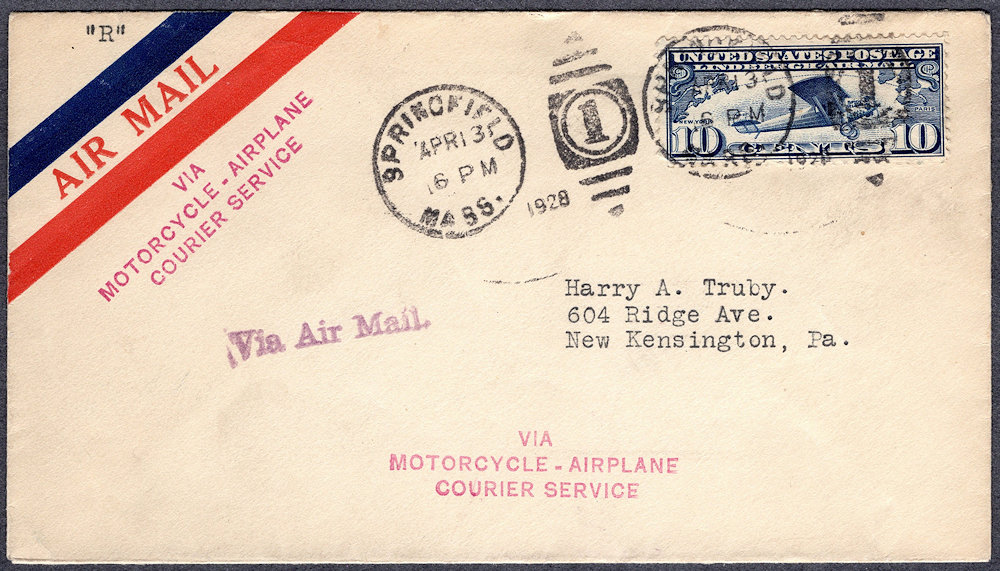
FIgure 19. A cover mailed from the entity known simply as "R", as typed at top left, from Springfield to New Kensington, Pennsylvania.
It bears an unofficial ancillary marking that reads, "via Motorcycle-Airplane Courier Service".
Also, rarely encountered is mail to foreign destinations bearing the first day of service cachet. Figure 20 shows one such cover addressed to Germany. I have only encountered two foreign destination covers in my time pursuing this subject.
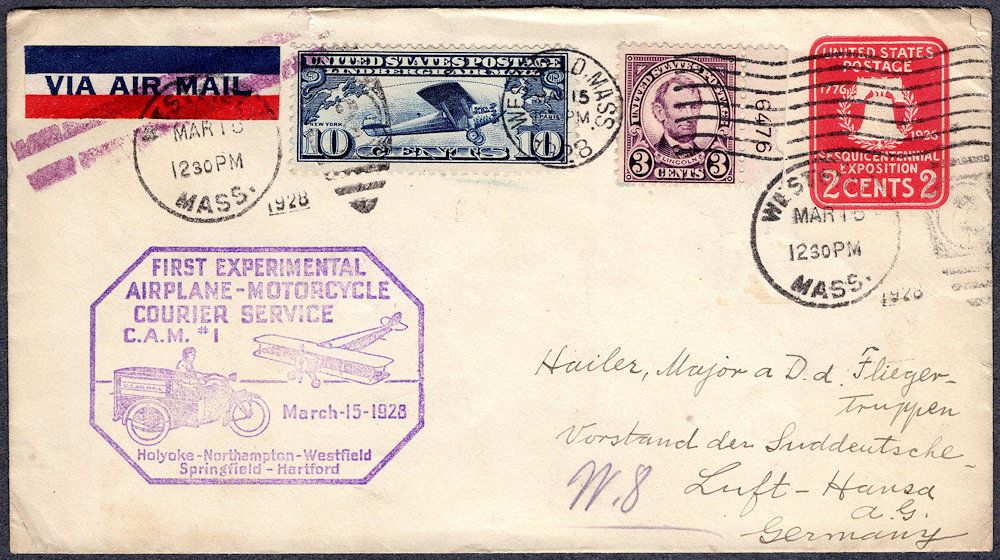
Figure 20. A rare use of the experimental service on a cover to a foreign destination, in this case, Germany.
The volume of mail on the first day of service for both outgoing and incoming airmail was overwhelmingly philatelic. Other than covers bearing the Indian Motocycle Company return address logo, covers bearing logos from other local businesses are seldom seen. Figure 21 shows a cover from Aetna Life Insurance Company. However, Aetna Life Insurance company was actually located in Hartford, Connecticut, and not from one of the four test cities.
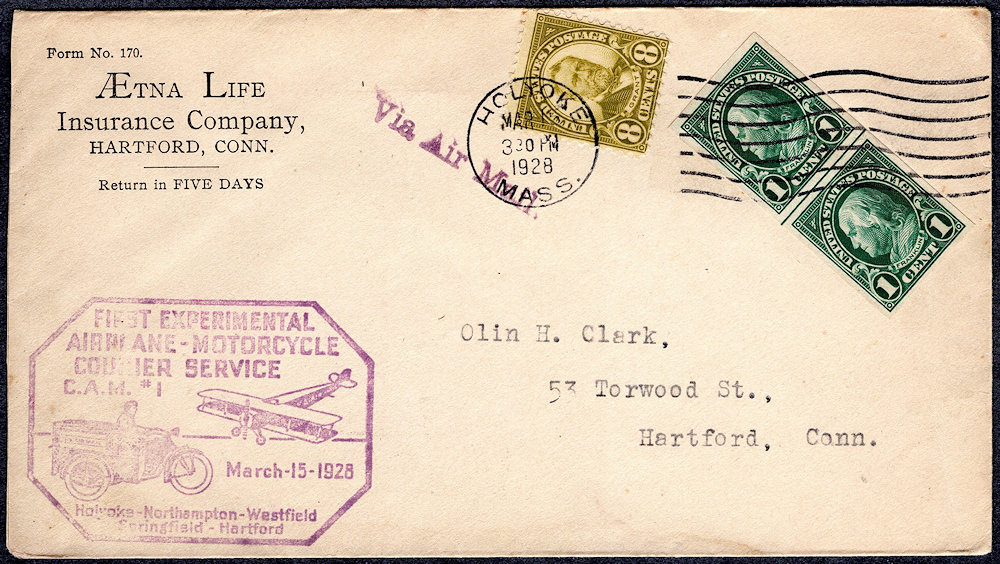
Figure 21. A cover sent from Holyoke with a corner card of Aetna Life Insurance Company in Hartford,
which was not one of the service's four test cities.
The picture in Figure 22 is my favorite of the first day ceremonies. Officials, dressed in their finest, gather around the two couriers at the Indian Motocycle Company factory. People strain to look out the windows and the shadow of the cameraman and his camera are visible in the foreground.
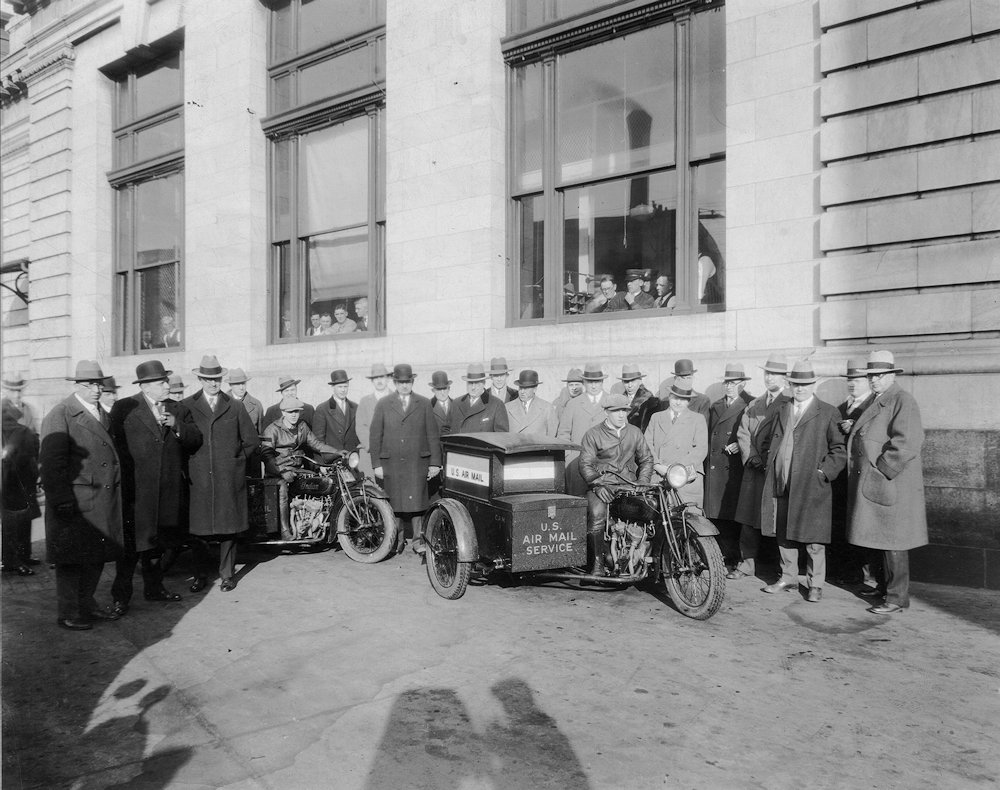
Figure 22. A pubilcity photo taken on the first day of service ceremony at Indian Motocycle Company
in Springfield.
Motorcycle couriers Carl White and Woodsie Castonguay are ready to ride.
(Courtesy of the Lyman and Merrie Wood Museum of Springfield History.)
The experimental airplane-motorcycle courier service "delivered mail on schedule every day during this 90-day trial, demonstrating that the motorcycle could perform as hoped", Nahl wrote in his article. "This experiment continued until June 15, 1928. On the last day, 11 pounds, 10 ounces were carried. The Post Office Department had set a goal of 20 pounds daily, on average, to cover expenses. During the experiment, the mail averaged 12¾ pounds a day". Sadly, failing to meet the required daily average, the experimental airplane-motorcycle courier service was discontinued.
The experimental airplane-motorcycle courier service faded into history, leaving behind a few thousand colorful March 15, 1928, covers and, at best, maybe a few hundred March 16, 1928, covers to pique the interest of collectors for centuries to come.
The Indian Motocycle Company went out of business in 1953. The brand continued to live on in the hearts of motorcycle enthusiasts and several attempts to revive the brand occurred in the 1990s and 2000s. Polaris Inc., the famous maker of snowmobiles an ATV's, reintroduced the Indian motorcycle in 2014 and it has been resoundingly successful.
The Author
Tom DeSha has been a philatelist for 60 years, a motorcyclist for 55 years and a member of the American Philatelic Society for 40 years. He currently lives in Amarillo, Texas and, yes, he still rides an Indian Chieftain motorcycle. |
Resources
· "Airmail History in Pictures 1918-1928", U.S. Postal Service Historian's Office,
https://about.usps.com/who-we-are/postal-history/airmail-history-in-pictures.pdf
· Made in New England Magazine (April 1928)
· Nahl, Dr. Perham C. "Motorcycle Courier Service, C.A.M. 1", Airpost Journal (July 1983)
· The Springfiled (Massachusetts) Sunday Union and Republican (March 2 and March 4, 1928)
Resources images
· Nico Helling: 4, 12, 14
· Thomas DeSha: 1, 3, 5, 6, 8, 10, 11, 15, 17, 18, 19, 20, 21
· Historical Office U.S. Postal: 2
· Made in New England Magazine: 7, 9
· Airpost Journal: 13
· Lyman and Merry Wood Museum of Springfield: 16, 22
Nico Helling
P.S. Part of Figure 22 has been used for a personalized stamp for sending the MFN newsletter in which this story has been published (no. 156, June 2026):
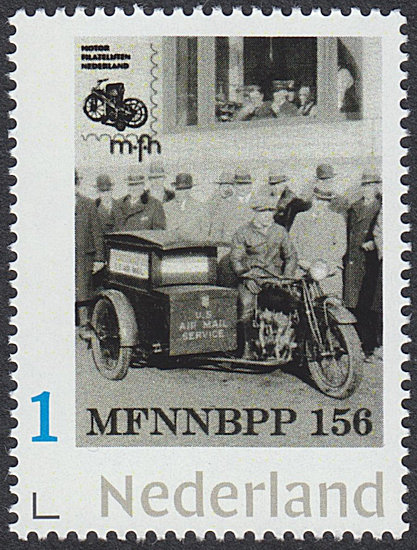
Top - Back to former page - Home |